

Daily dose of health
Food for thought
We explore common questions about fermented foods, seafood, and cooking oils. Our dietitian-approved insights will help you make informed dietary choices to maintain overall health and reduce the risk of kidney failure and related diseases.
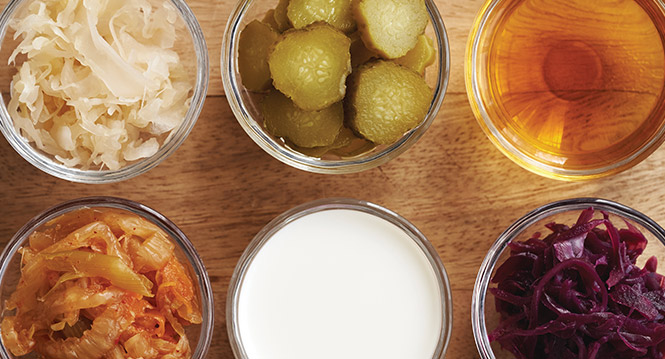
Are fermented foods healthy?
Fermentation is a traditional preservation method popular for its probiotic benefits, such as promoting gut health and digestion. Despite extensive research, there is no conclusive evidence on the effectiveness and safety of probiotics for various health conditions.
Furthermore, fermented foods are often high in sodium content:
| Food item | Amount | Average sodium content | % daily recommendation |
|---|---|---|---|
| Kimchi | 100g | ~ 535mg | ~ 25% |
| Miso (paste) | 1 tablespoon (18g) | ~ 840mg | ~ 40% |
| Reduced/mild-sodium Miso (paste) |
1 tablespoon (18g) | ~ 660mg | ~ 33% |
Frequent or excessive consumption of high-sodium foods can increase the risk of heart and kidney diseases. Hence, while fermented foods can provide some health benefits, they should be consumed in moderation. Individuals with severe illnesses or compromised immune systems should consult a doctor before consuming such foods to prevent potential health issues.
Is seafood healthy?
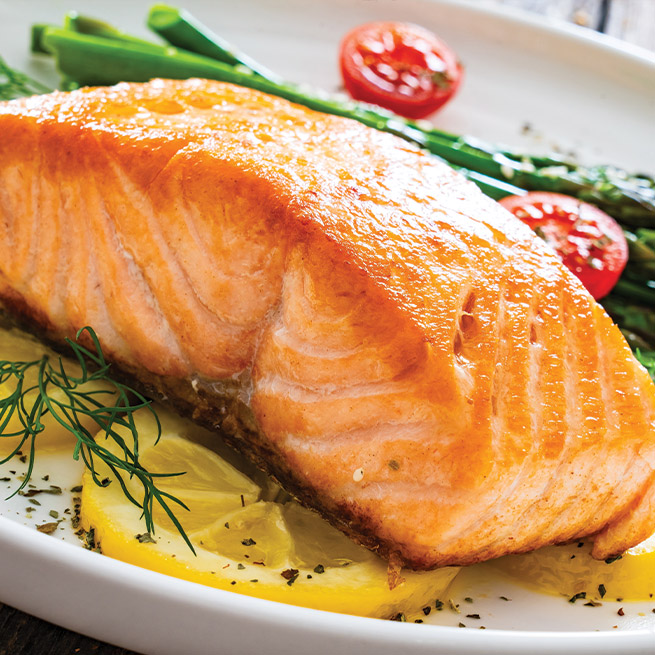
Seafood, particularly oily fish such as salmon, tuna, and mackerel (tenggiri batang) offers significant health benefits:
- Rich in Omega-3 Fatty Acids: Oily fish are high in omega-3 fatty acids, which are linked to a lower risk of heart problems and support brain function.
- Lower in Saturated Fat: Seafood generally contains less saturated fat than other animal protein sources, benefitting heart health.
- High-Quality Protein: Seafood is a good source of protein, aiding in tissue repair, muscle maintenance, and building immunity.
However, certain seafood may be unhealthier in various aspects:
High cholesterol

Prawn

Crab

Lobster

Squid

Octopus

Cuttlefish
High sodium
Smoked salmon

Fish ball

Dried shrimp
Individuals with chronic kidney disease are recommended to avoid or limit processed seafood (e.g. smoked salmon, fish balls and dried shrimps) due to their high sodium and phosphorus content. Those with gout should avoid seafood high in purines (e.g. scallops, mussels, anchovies and sardines) to reduce the risk of gout attacks. In conclusion, prioritise fresh seafood rich in omega-3 fatty acids and limit the consumption of processed seafood.
What is the healthiest cooking oil?
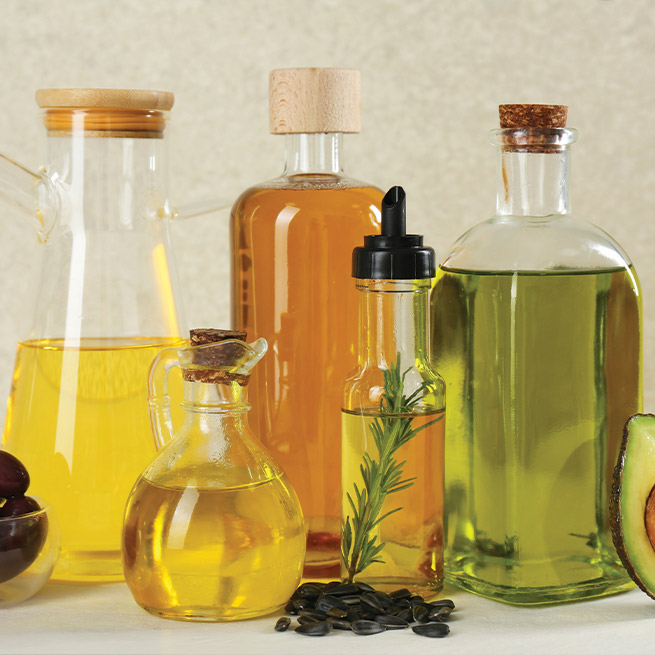
All cooking oils contain fats, which are commonly categorised into ‘good’ and ‘bad’ fats:
- Good Fats: Monounsaturated Fats (MUFA) and Polyunsaturated Fats (PUFA) help lower total cholesterol and “bad” LDL cholesterol.
- Bad Fats: Trans Fats and Saturated Fats lower “good” HDL cholesterol and raise “bad” LDL cholesterol.
Here are the characteristics of commonly found cooking oils:
| Oil type | Properties | Pros | Cons |
|---|---|---|---|
| Extra Virgin Olive Oil | Rich in monounsaturated fatty acids; Contains antioxidants | Heart health benefits; Reduces inflammation | Not suitable for highheat cooking; More expensive |
| Coconut Oil | High in saturated fat | Anti-inflammatory and immune support benefits | Raises LDL cholesterol |
| Rapeseed/Canola Oil | High in unsaturated fats; Contains omega-3 and omega-6 | Suitable for general cooking: Lowers LDL cholesterol | Not recommended for deep frying |
We recommend oils high in monounsaturated or polyunsaturated fats, like canola oil, which help lower cholesterol and hence reduce the risk of heart disease and kidney failure. However, since all cooking oils are 100% fat, excessive consumption can lead to weight gain and obesity, which are risk factors for kidney failure. Therefore, oil should be used sparingly.


