

Daily dose of health
Are you prioritising vegetables?
Keeping up with your healthy plate when dining out
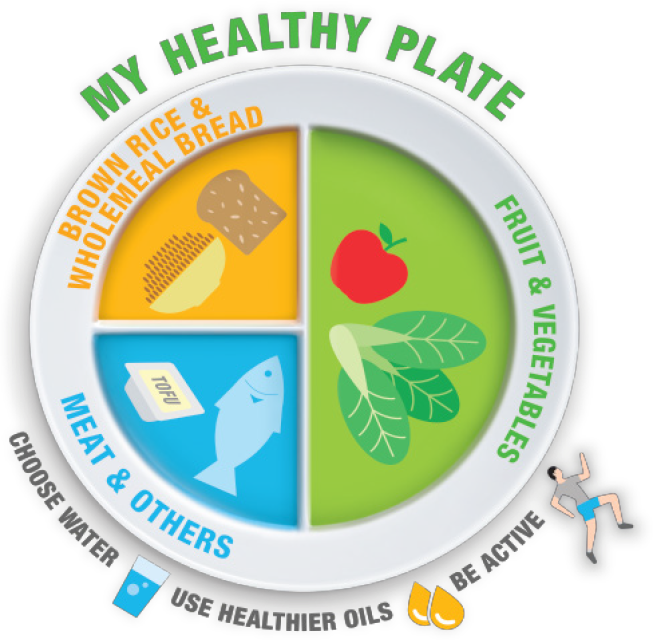
My Healthy Plate (MHP) is a visual guide developed by Health Promotion Board (HPB) to help one adopt healthier eating habits. One easy way to ensure that we are having a well-balanced meal is remembering ‘Quarter, Quarter, Half!’
Source: HPB
Quarter plate of brown rice and wholemeal bread:
Wholegrains are minimally processed carbohydrates which are good sources of dietary fibre, vitamins and minerals as compared to refined ones such as white rice and white bread. They promote satiety and may help lower the risk of chronic diseases such as heart conditions and diabetes. Sources of wholegrains include wholemeal bread, biscuits and crackers, brown rice, wholegrain noodles, oats, chapati and many more.
Quarter plate of meat and others:
Protein is essential for the body to build and repair body tissues and regulate our bodily functions. It can be found in animal sources such as poultry, red meat, fish, seafood, eggs, dairy products, as well as plant-based sources which include soy milk, tofu, tempeh and beans.
Half plate of fruit and vegetables:
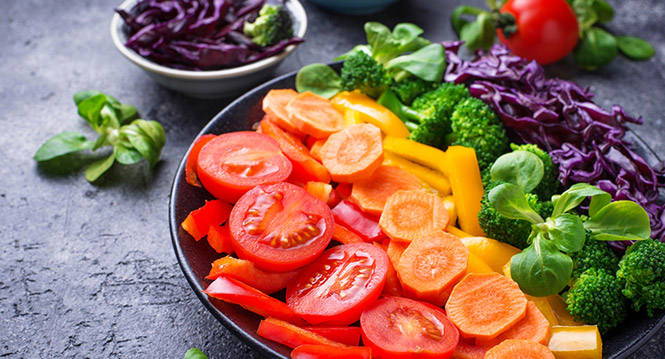
Fruit and vegetables contain good sources of dietary fibre, vitamins and minerals, and are also naturally low in fat, sodium and calorie content with healthier cooking methods. Eating a rainbow colour of fruit and vegetables provides an individual with a variety of vitamins and minerals that are essential for the body. It is recommended to have two servings of fruit and two servings of vegetables daily.
Eating Out
Many Singaporeans eat out daily at hawker centres because of the hustle and bustle of life. However, when it comes to dining out, it can be hard to find a composite meal that contains all components of MHP especially since local dishes tend to be heavy on carbohydrates with smaller quantity of protein and vegetables. Here are some tips on how you can try to meet the various food groups when dining out:
- Choose stalls that offer brown rice or wholegrain noodles options. These stalls will indicate this by having a “We Offer Wholegrain Options” sticker.
- When having mixed vegetable rice or nasi padang, include at least two vegetable options and one lean protein option. Avoid deep fried items and limit your gravy to reduce sodium and fat intake.
- If you are having a meal that contains minimal vegetables (e.g. fishball noodle or duck rice), ask for extra vegetables. You may also consider choosing a dish that allows you to include more vegetables for the next meal (e.g. yong tau foo or mixed vegetable rice).
- Chicken rice is a commonly eaten dish by the public. However, it does not fit into MHP’s recommendation as it is inadequate in protein and vegetables. One can have an additional serving of protein such as beancurd or egg and an additional plate of vegetable (e.g. beansprout or chye sim) dish on the side. Do swap the flavoured rice to plain white rice for lower fat intake.
- When having noodle dishes (e.g. sliced fish beehoon or wanton mee), ask for extra vegetables.
- Instead of desserts and snacks, swap with fresh fruit to meet the two servings of fruit daily.
In general, making a change takes time. There are also limitations to meeting the recommendations to a tee. As long as we are consistent with the small swaps and baby steps, we are most definitely on our way to achieving our health goals!


